


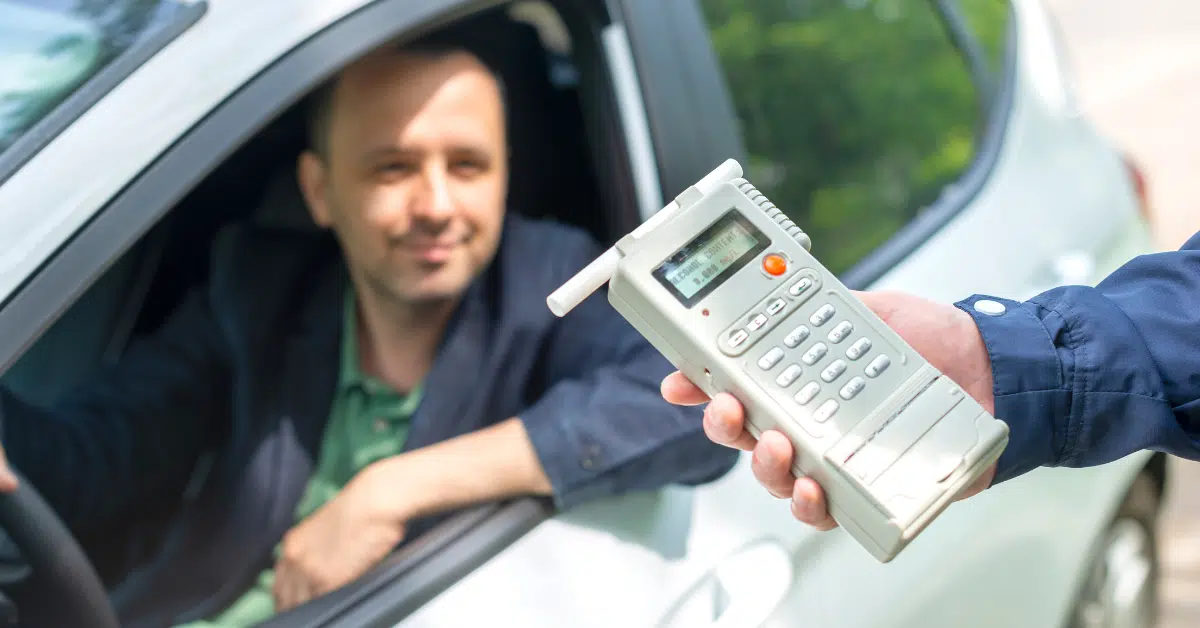
You may feel trapped when a test says you were drunk driving. You might think the number on the screen ends the story. It does not. Breath and blood tests can be wrong. Machines fail. People cut corners. Police skip steps the law requires. You have the right to question every piece of evidence. A Dupage County DUI attorney can help you uncover mistakes that others ignore. This blog explains how breathalyzer and blood test results can be challenged in court. It walks through common testing errors, broken rules, and weak lab work that can damage the case against you. It also shows what records you can request and what questions you can raise. You will see that a test result is only one part of a case. You still have options.
Why breath and blood tests are not perfect
Many people think breath and blood tests are always correct. That belief gives these tests huge power. Yet even federal agencies warn that no test is perfect. The National Highway Traffic Safety Administration explains that police must follow strict rules for breath testing to reduce error. You can read more about those rules in their guide on DWI detection and testing.
Every test depends on three things.
- The device must work the way the maker says.
- The operator must follow the rules every time.
- The sample must stay clean and unchanged.
If any part fails, the result can be wrong. That is where challenges begin.
Common problems with breathalyzer results
Breathalyzers estimate alcohol in your blood by reading alcohol in your breath. This process has many weak spots. You can raise questions in several ways.
Device maintenance and calibration
Breath machines need regular checks. If the device is not calibrated on time or the record is missing, a judge may doubt the number.
- Ask for maintenance logs.
- Look for skipped dates or failed checks.
- Check if the state approved that model of device.
Many states require approved devices and clear records. Courts often treat missing records as a serious problem.
Improper test procedure
Police must follow set steps during a breath test. When they rush or change steps, the result can change.
- You should be watched for a set period before the test.
- You should not eat, drink, smoke, or vomit during that time.
- The officer should give clear instructions and take enough samples.
If the officer cut the observation period short, the result may include mouth alcohol from recent drinking or other sources. That can push the number higher than it should be.
Medical and personal factors
Your body can affect a breath test.
- Conditions that cause acid reflux can push alcohol into your mouth.
- Some diets can cause chemicals that confuse the device.
- High or low body temperature can change readings.
These issues do not excuse drunk driving. They do give reasons to question the exact number the machine printed. Your medical records and doctor could help explain these effects.
Common problems with blood test results
Blood tests often look stronger than breath tests. Many people think a lab report ends any doubt. That is not true. Labs are run by people. Mistakes can spread through every step of the process.
Collection and storage issues
First, the blood sample must be taken the right way.
- The skin should be cleaned with a non alcohol solution.
- The tube should contain the right amount of preservative.
- The tube must be labeled with your name, date, and time.
Next, the sample must be stored and moved in a safe way. If it gets too warm, sits too long, or is not sealed, it can ferment. That can raise the alcohol level inside the tube over time.
Chain of custody problems
Chain of custody is the written record of who handled your blood. Each step needs a date, time, and signature. If any link is missing, someone could question whether the sample tested was truly yours or whether it was changed.
You or your lawyer can ask for these records. Any gap gives a clear point to challenge.
Laboratory errors
Even trusted labs make mistakes. The Centers for Disease Control and Prevention has written about lab quality and human error in testing. You can see their general guidance on lab safety and accuracy on the CDC page for laboratory quality.
Common lab problems include.
- Using expired chemicals.
- Not running control samples.
- Mixing up samples.
- Typing the wrong number into a report.
An independent lab review can sometimes spot these problems. A second test on a saved portion of your blood can also show a different result.
Comparison of breath and blood test issues
The following table shows common weak points in both test types. It can help you see where your own case might raise questions.
| Issue | Breath Test | Blood Test | How it can affect your case |
|---|---|---|---|
| Device or equipment problems | Needs regular calibration and approval | Needs certified lab tools and methods | Unreliable devices can weaken the test number |
| Operator or collector error | Officer skips wait period or steps | Sample drawn or labeled the wrong way | Bad process can lead to exclusion of results |
| Sample integrity | Affected by mouth alcohol or medical issues | Affected by storage, heat, or fermentation | Changed samples can misstate true alcohol level |
| Paperwork and records | Missing maintenance or test logs | Broken chain of custody or missing lab notes | Gaps in records create doubt about accuracy |
Key records you can request
You have the right to ask for records that support or weaken the test result. These records often include.
- Device approval records from the state.
- Maintenance and calibration logs.
- Officer training and certification records.
- Video of the stop and testing process.
- Blood draw notes and lab reports.
- Chain of custody forms.
These documents can uncover rushed work or missing steps. They also help an expert explain problems to a judge or jury.
How a lawyer can use these problems
A trained lawyer can turn testing errors into legal arguments. That does not mean every case is thrown out. It means the court must look at the full picture.
- Some challenges aim to keep the test result out of court.
- Some challenges aim to lower the weight the judge gives the result.
- Some challenges support a better plea or a lighter sentence.
When the state relies on a single number, any doubt about that number can change the outcome. Careful review of the test process can protect your rights and your future.
Final thoughts
A breath or blood test can feel like a verdict. It is not. It is one piece of evidence that depends on people and machines. Both can fail. When you understand how these tests work and how they can go wrong, you stand in a stronger place. You can ask better questions. You can demand records. You can push for fairness. You do not have to accept a number on a page as the end of your story.
